

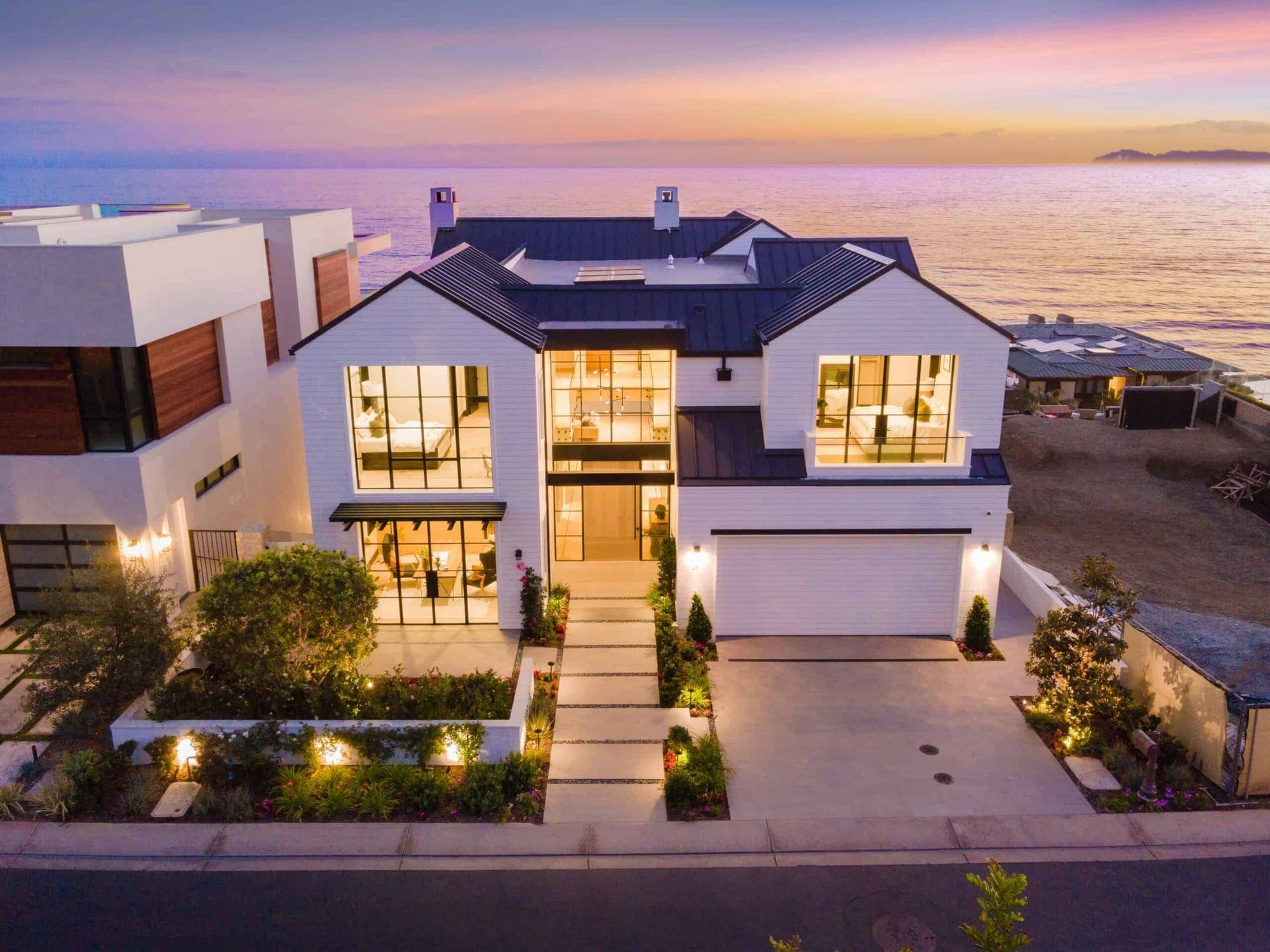
Beach View III
Dana Point

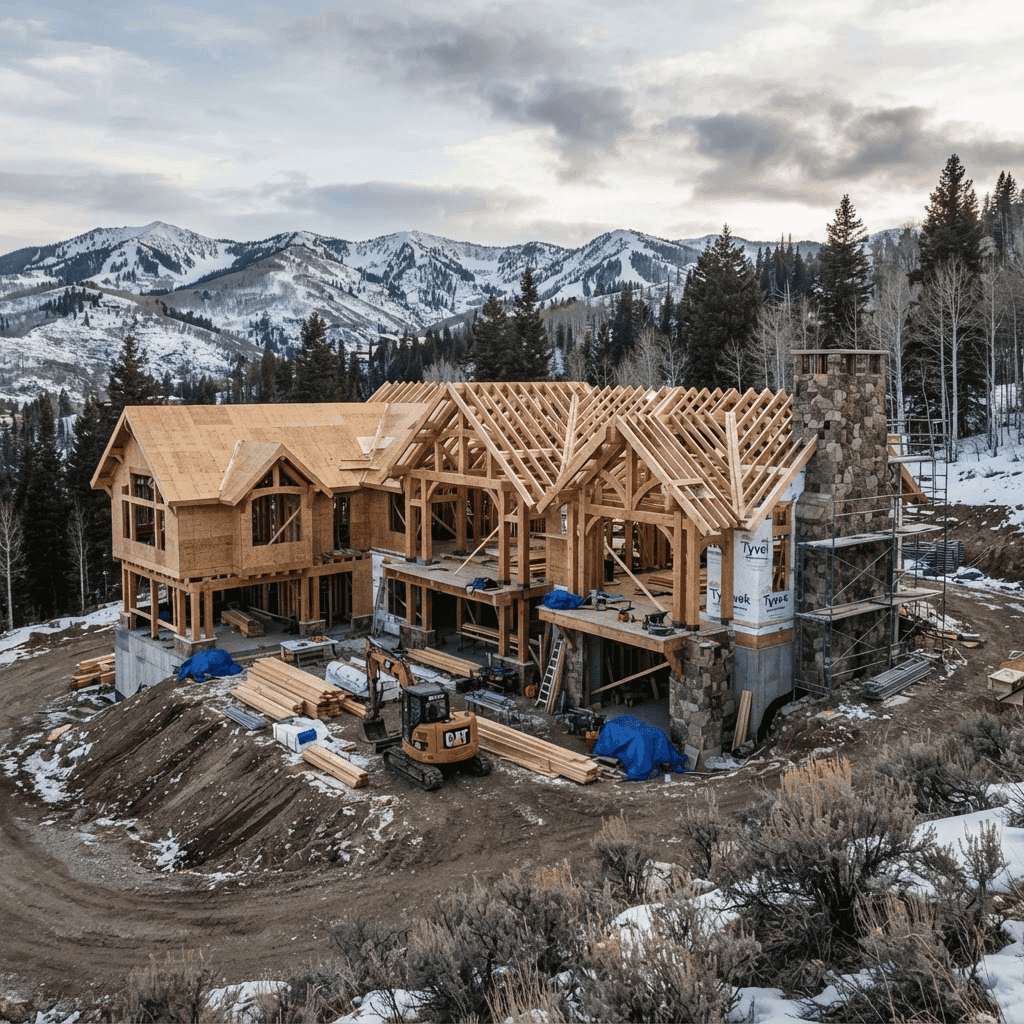
It started in California in 2008, and the same two partners now build in the Wasatch Back. Our first Utah homes are under way around Park City and Deer Valley, built for deep snow loads, hard freezes, and the way mountain light falls.
A custom home is the largest thing most families ever build.
It is drawn once, built once, and lived in for decades.
So we build a handful a year, and none of them get rushed.
Every home below was built in California, where we have been building since 2008. Our first Utah homes are under way now, run by the same two partners and held to the same standard.
Dana Point
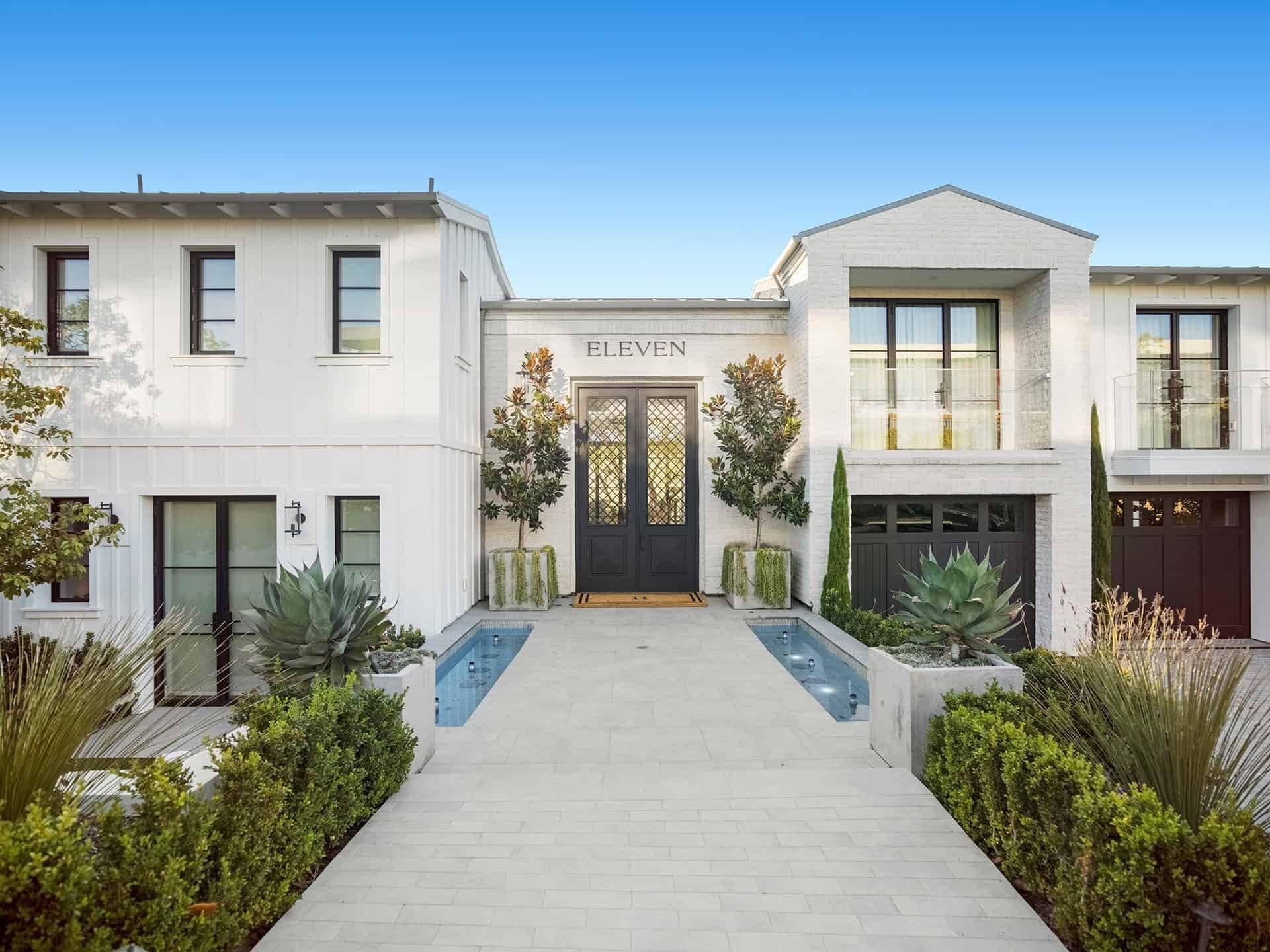
Dana Point
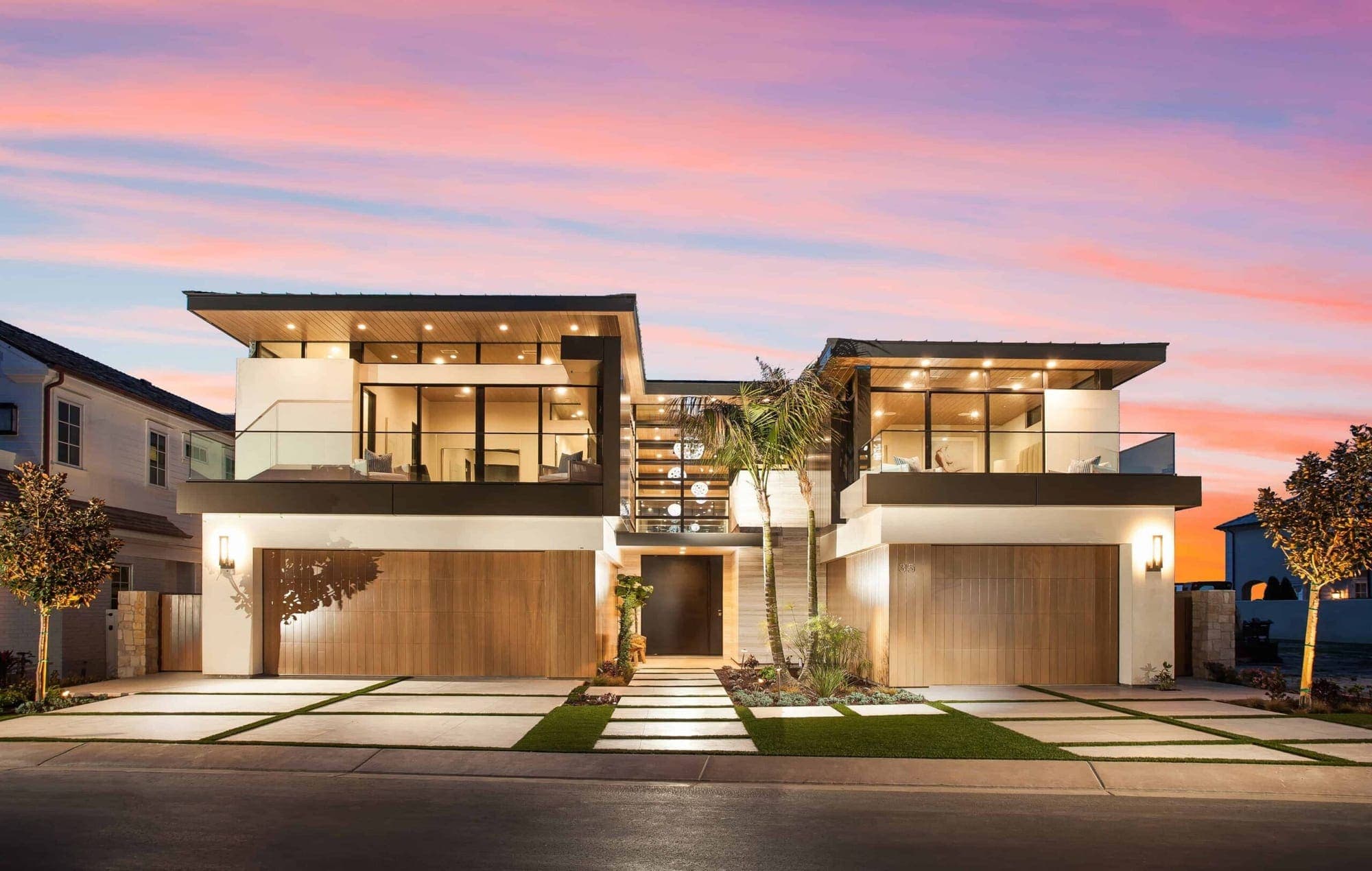
Dana Point
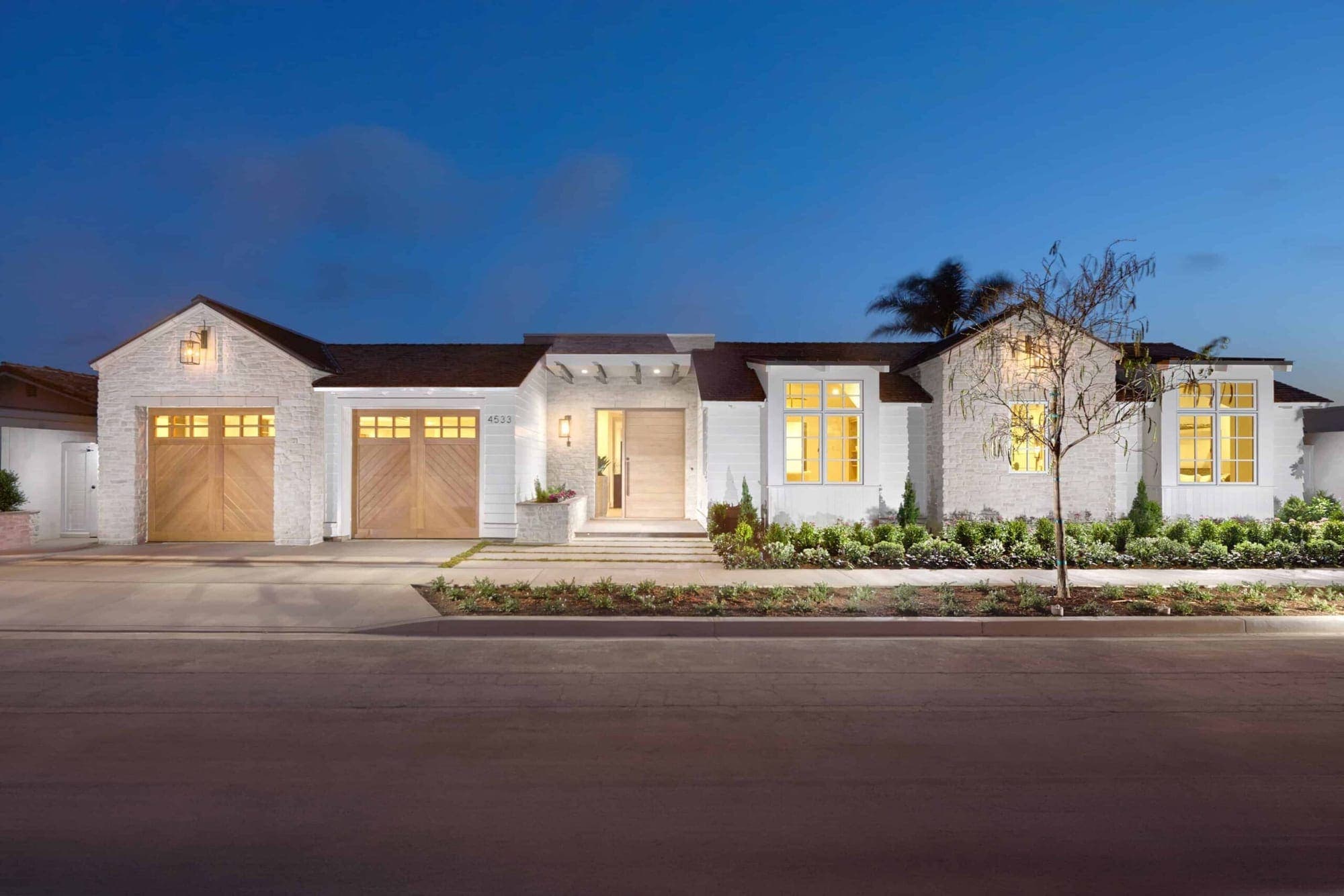
Corona del Mar
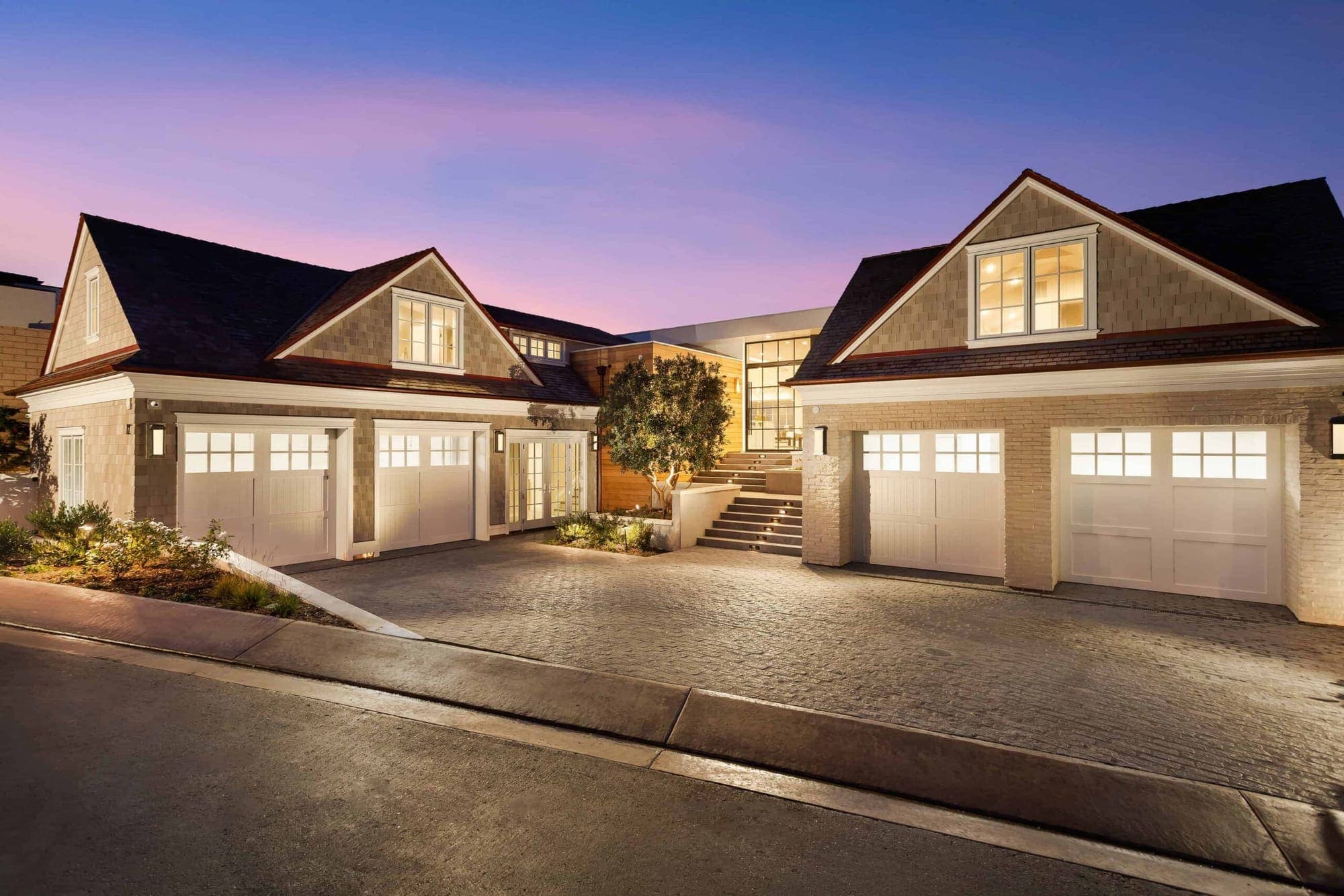
Newport Coast
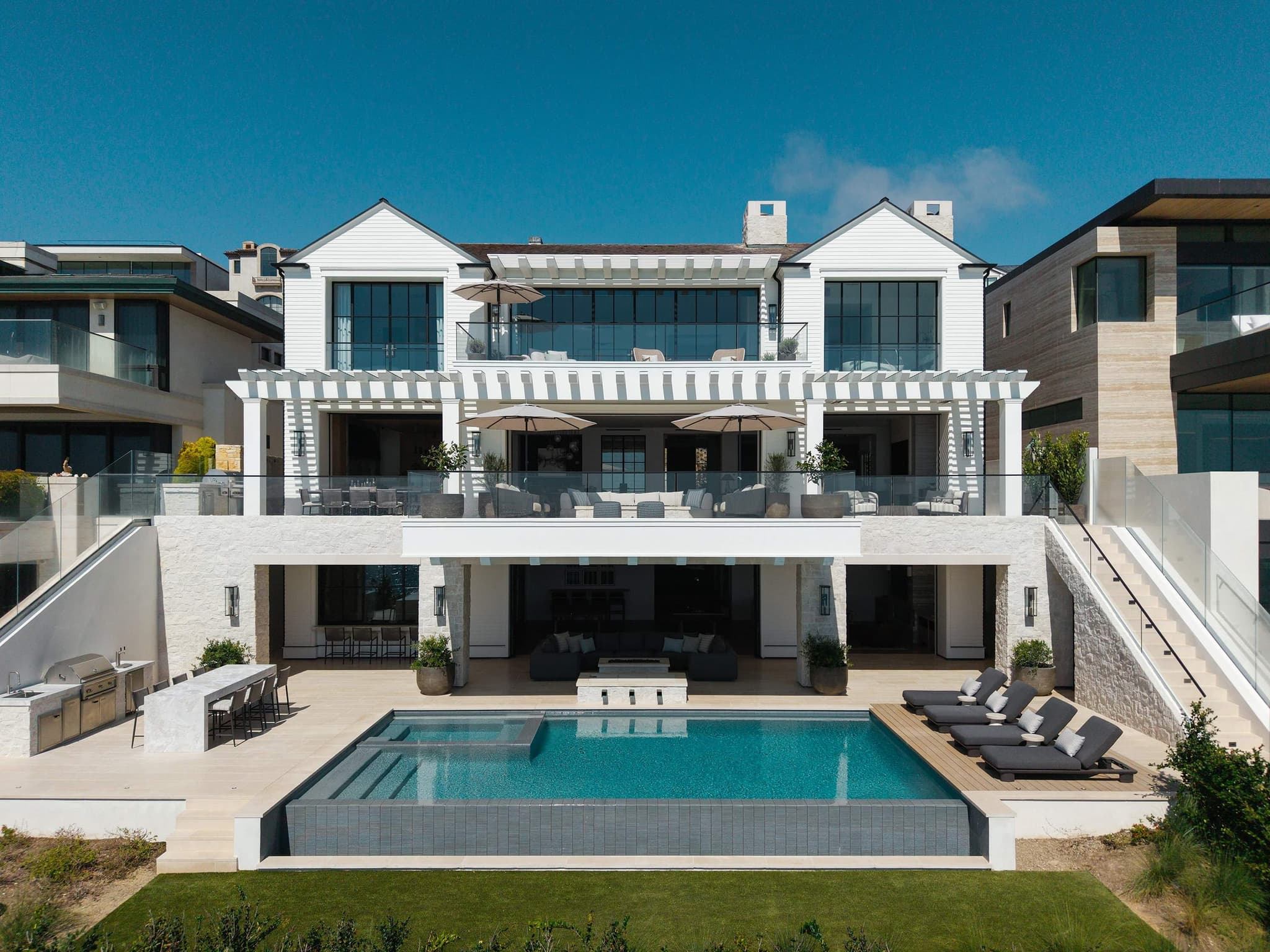
Dana Point
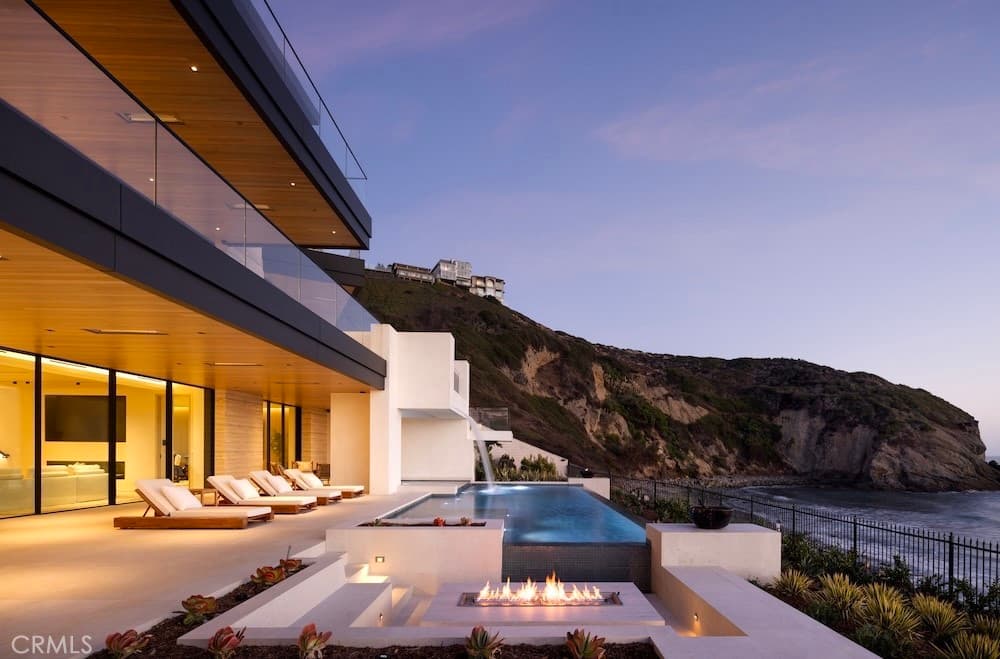
Dana Point
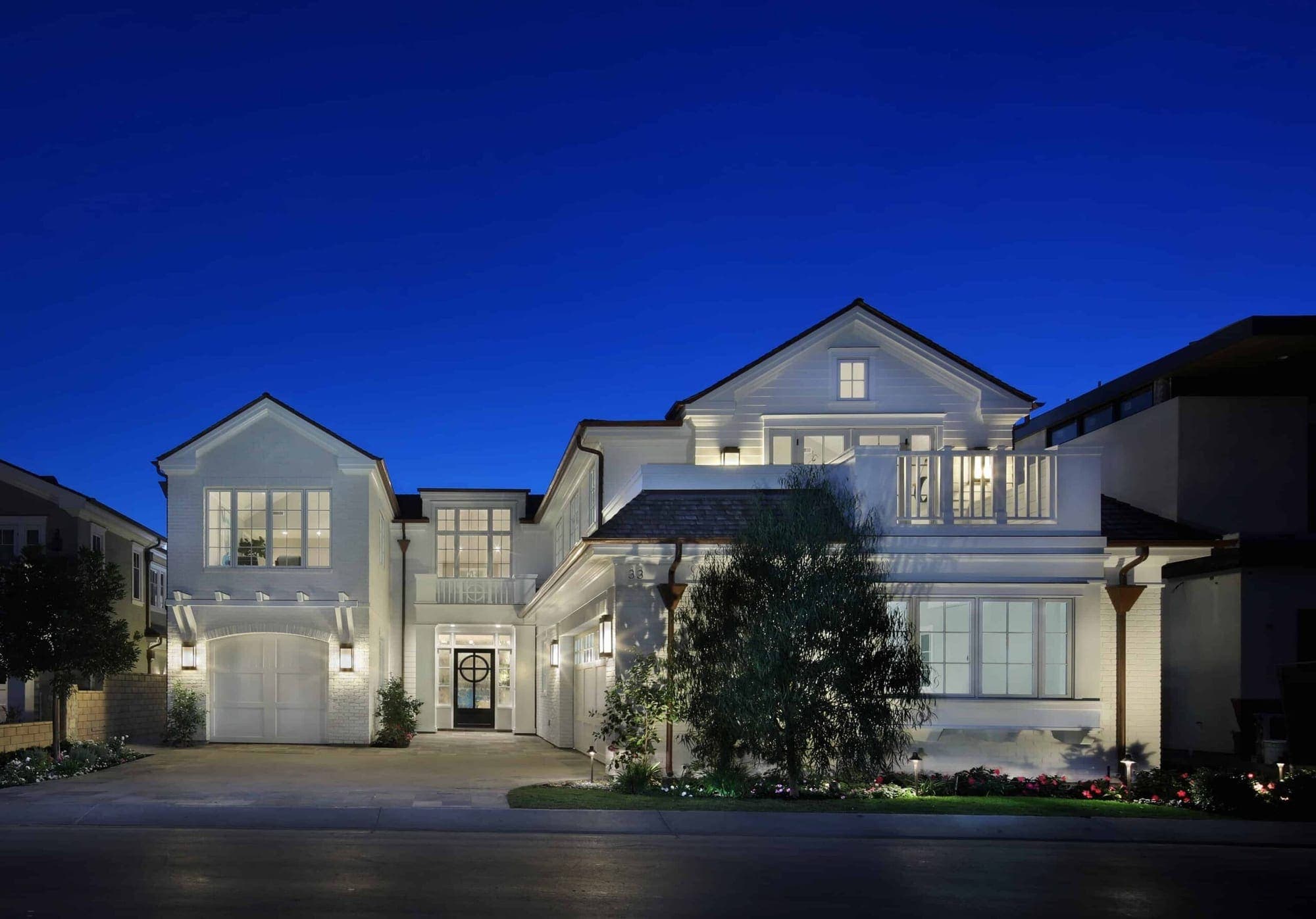
Dana Point
Dana Point
Dana Point
Dana Point
Corona del Mar
Newport Coast
Dana Point
Dana Point
Dana Point
The same five steps on every home we build, whether it sits on the sand or on a mountainside.
01
You talk to Brad or Josh, not a salesperson. Your site, the house you want, and whether we are the right fit for it.
02
Bring your architect or use ours. We price the house line by line from real subcontractor numbers, not allowances.
03
We carry the house through Utah permitting and hand you a real schedule before anything breaks ground.
04
A superintendent on site every working day, and invoices and schedule you can look at whenever you want.
05
We walk the house with you until it is genuinely finished, and the same people look after it once you move in.
There is no honest per-square-foot number, and a builder who quotes one before seeing your drawings is guessing. The price comes from your plans and your site. In Utah, a steep mountain lot means excavation and retaining before anything else, roofs and structure are sized for deep snow loads, footings go below a hard frost line, and the building season is short enough that missing a window costs real money. We build the budget line by line from real subcontractor bids rather than allowances, so the figure you approve is one somebody has already committed to. We are rarely the lowest bid: a low bid is usually an incomplete one, and the gap tends to reappear later as change orders.
Plan on two to three years from the first conversation to moving in. Design and engineering take six to twelve months, and construction runs eighteen to thirty for a home at this level. Permitting is the wild card: Summit and Wasatch County reviews are the baseline, and most of the good land sits inside communities like Promontory and Deer Valley where an architectural review committee has to approve the design before the county ever sees it. You get a real schedule before we break ground, and a superintendent on site every working day to hold it.
First work out whether you are talking to a true custom builder or a production builder with a custom brochure. Ask how many homes they are running at once. Volume outfits measure success in closings, which means your house gets whoever is free that week. We take a handful a year, and Brad and Josh, the two partners who started the company in 2008, are on every one of them. Then look at how the money is put together: whether a budget is built from real bids or padded allowances tells you most of what you need to know about the rest.
Six worth asking. How many homes are you running right now, and who is on mine every day? Is this budget built from subcontractor bids or allowances? What happens when a number comes in over? Can I walk a house you are building this week, not just a finished one? Can I call a client you are in the middle of building for? And who picks up the phone when something goes wrong on a Saturday? Ask all six of us, and ask them of everyone else you interview.
It depends on what you would buy instead. Resort inventory around Park City moves fast and rarely matches how a family actually lives. Much of it was built to be rented, not lived in, so the comparison is usually building versus buying and reworking. Building is worth it when the house has to fit the way your family actually lives, when the site is unusual enough that no existing house solves it, or when you plan to keep the home for decades. It is not worth it if you need to move within the year, or if you would rather not be involved in the decisions. A custom home asks for your attention, and the good ones show where it went.
The first months are quiet and paper-heavy: drawings, engineering, selections, and a budget that gets more specific every week. Once ground breaks it turns physical and fast: framing goes up in weeks, then come the slow invisible months of mechanical, electrical and plumbing before finishes make it feel like a house again. You will hear from us weekly, walk the site whenever you like, and deal with one point of contact the whole way. Expect at least one surprise, too; every site has one. What matters is that you hear it from us early, with options and a number attached.
We opened an office in Park City so we could build here properly rather than manage it from a plane, and our first Utah homes are going up around Deer Valley and Promontory. Every home is run by a project manager on site daily, which is why we work a radius we can drive.
Service areas
Tell us about the project and where you want to build. Jordan will read it and reply within two business days.
Step 1 of 3
Your details